
Nearly 64% of web traffic comes from Google. As such, search engine optimization is one of the most crucial responsibilities businesses have regarding how they position their brand to stand out from competitors. This is especially true for those in the tech industry, as people often spend time researching and deliberating before making a purchase.
Software buyers often rely on search as their first step toward understanding which products can meet their needs. They compare options quickly and expect material that helps them make informed decisions without slowing them down. Investing in SEO for tech companies gives your brand a presence during these moments, shaping how buyers evaluate the solutions available to them.
In this comprehensive guide, we’ll explore how tech-focused SEO supports each stage of that journey and what it takes to build a program that earns sustained visibility in competitive markets.
Tech buyers tend to approach search with a clear goal, and they move through research stages quickly because they already understand the problems they want to solve. Their behavior reflects a pattern built around how they evaluate options and confirm technical fit.
When buyers begin researching, their searches often revolve around early-stage exploration. They look for content that helps them understand solution categories and the advantages of each approach. Buyers’ interest narrows as they progress, focusing on queries centered on performance expectations and implementation concerns.
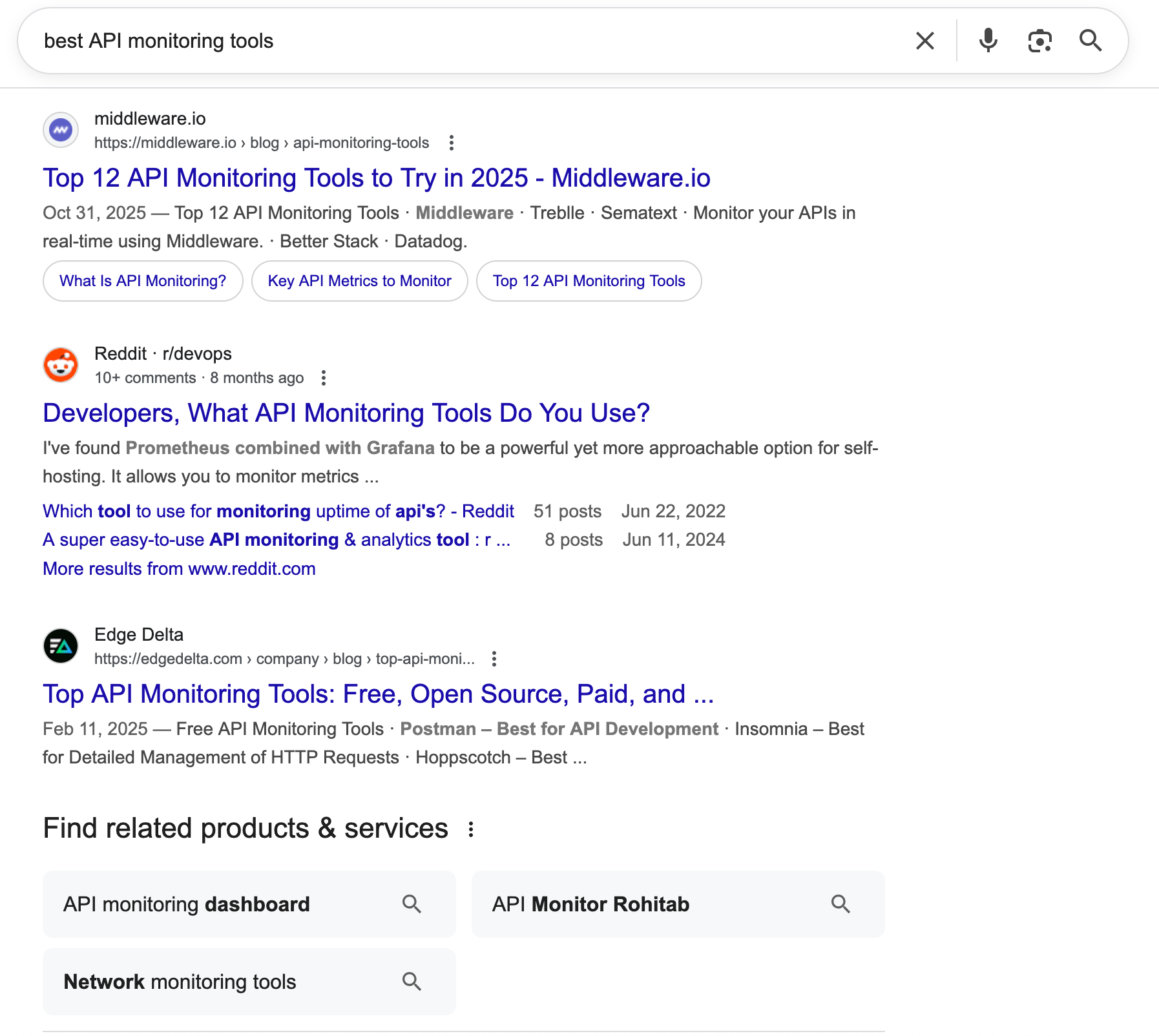
Tech buyers also rely heavily on language used within their industry, so content must speak in the terminology they expect. Their searches involve topics such as:
As they become more informed, their queries evolve. They move from broad discovery to specific validation, using search to examine:
Search remains the place where they verify what they’ve learned from other channels. SEO gives your brand visibility during the moments when buyers want answers that shape their shortlist.
Reaching them at this stage positions you as a credible option before they interact with a sales team. Segment runs technical and content-focused SEO audits that uncover the obstacles limiting organic performance for SaaS and B2B tech brands.
A strong tech SEO strategy begins with understanding how search influences each stage of a buyer’s evaluation process. Teams need a framework that connects visibility and relevance so prospects can move from discovery to consideration without friction. When your structure aligns with this path, you create predictable opportunities to appear when buyers look for solutions like yours.
Successful strategies start with a clearly defined environment. Tech companies must assess their site’s current position by reviewing elements such as:
Once this baseline is in place, the next priority is creating alignment between what buyers search for and what your pages offer. Visibility grows when your content addresses topics related to:
Trust also plays a central role in long-term performance. Search engines respond well to brands that demonstrate authority through:
This foundation facilitates better rankings and a stronger presence across the full journey. A comprehensive strategy integrates these pieces into a cohesive system that informs future decisions. It also helps teams produce relevant content and prioritize technical improvements that move performance forward with each iteration.
A strong technical layer helps search engines interpret content and crawl the site without friction. This creates a stable foundation for visibility and allows strategic work to have a greater impact.
Software sites often face challenges tied to scale or complexity. Teams must evaluate elements like:
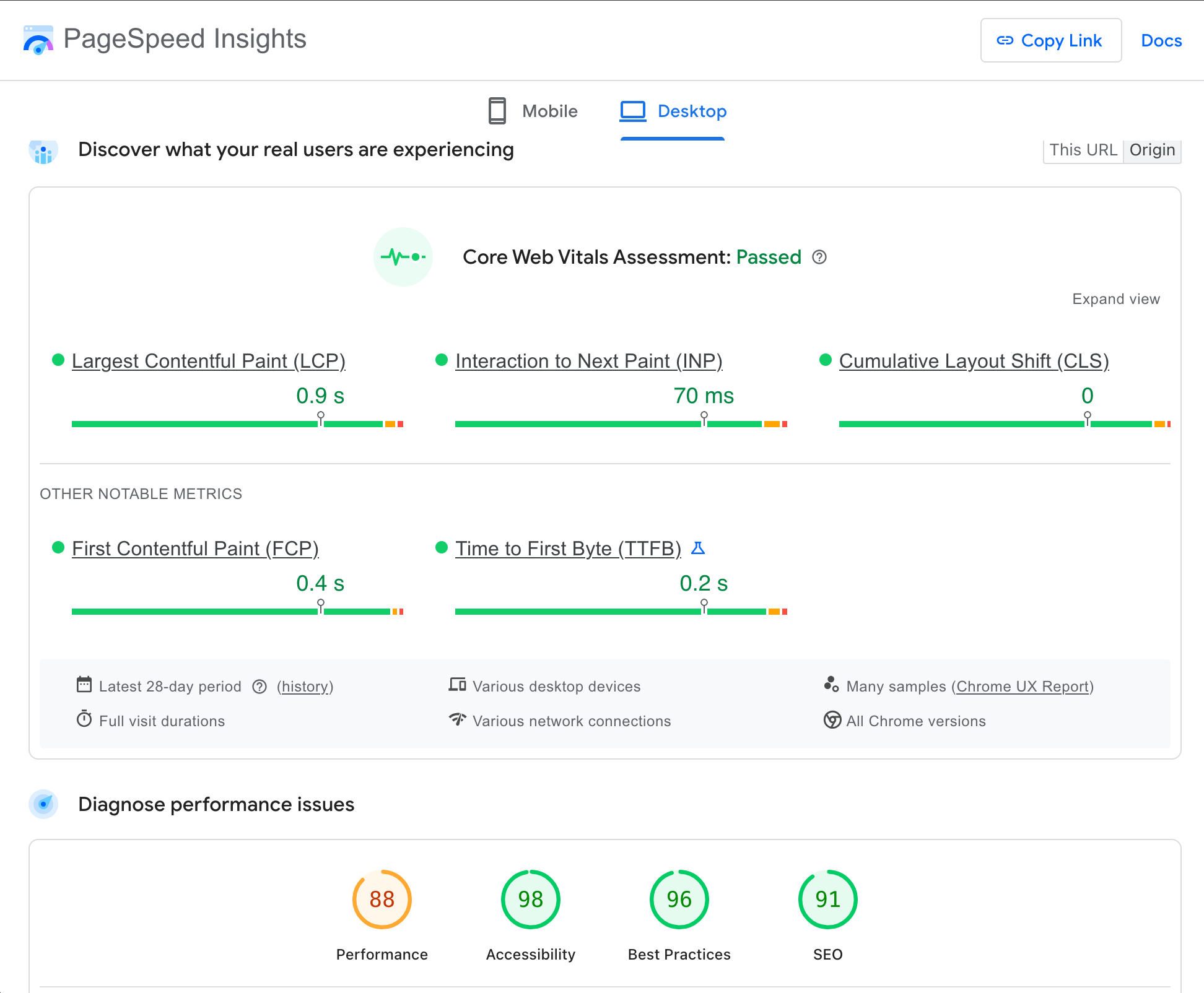
Using PageSpeed Insights is the most convenient way to measure your site’s performance. You can simply type your site’s URL into the field and get immediate feedback on what’s working and what needs improvement.
Many software companies also rely on dynamic or component-driven architectures, so clarity within the structure matters. Strong internal organization supports search engines when interpreting:
Technical SEO also plays a role in helping buyers access critical information without delays. Pages need to deliver predictable performance across situations such as:
Prioritizing these areas allows software companies to maintain a reliable presence in search. A strong technical base removes friction and strengthens interpretation so each new piece of content contributes to long-term momentum.
A strong content strategy guides buyers from early exploration to confident evaluation. Tech buyers move quickly, and they expect material that clarifies solutions without slowing them down. Your content needs to support this path by offering clear explanations and credible details at each stage. This is especially for B2B, where the average transaction is highly involved.
Early research requires material that helps buyers recognize whether a solution aligns with their needs. Pages should guide them through topics such as:
Buyers want content that speaks to how a product works and why it solves their problem. This includes pages covering:
Late-stage research becomes more detailed as teams prepare to compare solutions. When we review content libraries for software companies, we usually see gaps between what teams publish and what buyers search for during early evaluation. Segment’s research process focuses on mapping those gaps so each new page emphasizes a specific moment in the journey rather than becoming a distraction.
Buyers rely on content that outlines distinctions and practical expectations. They look for information related to:
A content strategy built on this progression gives buyers the guidance they need at each step. It also signals relevance to search engines by aligning your pages with the questions and comparisons buyers make as their understanding becomes more precise.
A strong keyword strategy helps B2B tech teams match their content to the searches buyers perform throughout the evaluation process. Effective planning depends on understanding how intent shifts as buyers move from early exploration to deeper validation.
The priority is identifying the intent behind early-stage queries. Buyers often focus on:
Teams also need to consider how technical depth influences selection. Some searches apply to broad audiences, while others connect with buyers who are closer to making decisions. Relevant terms include:
As buyers progress, their searches narrow and reflect a more detailed evaluation. Queries often gravitate toward:
A keyword strategy shaped around this pattern allows your content to appear naturally as buyers refine their understanding. It improves relevance and creates a stronger path toward sustained organic growth.
During a content rebuild for Vitable Health, strengthening topic coverage around buyer concerns helped the brand achieve a 41% increase in page-one rankings. Depth across related themes consistently improves mid- and late-stage visibility.
Intent evolves as buyers move from early curiosity to informed evaluation, and keyword selection needs to reflect this progression. Early searches lean toward a broad understanding because buyers want info on the nature of their problem and the categories of solutions available.
As they learn more, their queries become increasingly specific and begin to mirror the outcomes they hope to achieve. This allows teams to identify which topics guide buyers forward and which terms signal deeper interest.
Technical depth influences which terms resonate with the audience you want to reach. Broad keywords may attract casual interest, while detailed terms align with buyers who understand the nuances of their requirements. Effective selection often includes:
This ensures that content remains accessible without losing the precision needed to speak to informed decision-makers.
Search patterns tighten as buyers approach decision points. Early-stage curiosity transitions into queries that reflect comparison, qualification, and technical expectations. Evolving searches often reveal:
Recognizing these shifts helps teams map their keyword planning to the buyer’s momentum, creating content that supports clearer decisions as interest becomes more defined.
High-value intent appears when buyers search for information that helps them understand options, compare solutions, or confirm whether a product aligns with their needs. Pages built for these moments perform better because they answer the questions buyers consider while forming a shortlist.
Early-stage intent focuses on broad awareness. In general, buyers look for pages that address:
Mid-stage intent reflects deeper investigation as buyers examine how a product works.
Late-stage intent centers on practical expectations. Teams depend on pages that outline:
Pages shaped for these intent levels guide buyers from exploration to validation with fewer gaps. This structure strengthens organic visibility by making your content relevant across more phases of the decision-making process.
Authority develops when a site provides depth on subjects that matter to technical buyers and supports those subjects with material that grows more specific over time. Tech markets reward brands that demonstrate a clear understanding because buyers expect thorough explanations before they commit to evaluating a product.
Authority begins with identifying the core themes that shape decisions in your category. These themes often relate to:
Strength increases when those themes expand into clusters that address narrower aspects of the problem. Effective clusters often include:
A consistent structure allows these clusters to grow without losing coherence. Over time, this creates a framework that reflects how buyers learn, compare, and decide. Markets respond well to brands that maintain this depth, and search engines treat it as a signal of sustained expertise.
During recent work for AmSpec Group, we optimized crawl paths and consolidated duplicate content led to a 54% boost in organic visibility within 90 days. Improvements in site structure often deliver these gains faster than teams expect.
AI search depends on content that explains topics with clarity. Models look for stable signals that reflect expertise because they need sources they can reference without uncertainty. When your pages create that structure, they gain more visibility across AI responses. Two factors tend to strengthen your presence in these surfaces:
Depth also helps because AI systems study how topics relate to one another. When your content explores a subject from multiple angles, it reinforces the model’s understanding. This makes your work more useful when someone asks a question that touches your category.
Teams can also improve performance by focusing on what buyers want to understand during evaluation. AI systems favor material that guides decisions without adding friction. Pages often perform better when they offer:
A reliable technical base supports this effort. Fast pages with a consistent structure help AI interpret your content without misreading the intent. This creates more opportunities for your work to appear in summaries, follow-up prompts, and topic overviews.
During SEO reviews, Segment frequently identifies patterns where pages attract traffic but fail to support evaluation. Strengthening intent alignment generally solves this, especially when the content reflects what technical buyers need to compare solutions.
AI-driven search continues to reshape how people discover information, and those shifts influence how tech buyers move from questions to evaluation. Zero-click results now appear in more queries, so quick answers surface before users visit a site.
Buyers still turn to in-depth content once they move past surface checks, which means pages need context an instant summary can’t provide. Zero-click behavior often stems from patterns such as:
AI overviews also change how tech content is interpreted. The summaries prioritize material that presents ideas cleanly, uses predictable structure, and builds logical relationships across topics.
Pages that explain how something works and why it matters are more likely to appear within these generated responses. AI systems tend to highlight pages that show:
This pattern rewards sites that document their subject matter with depth instead of fragmented posts. Visibility continues to shift as SGE, Perplexity, and similar engines refine how they recommend sources. Models like these favor ecosystems that help buyers understand complex themes, not single pages standing alone.
Sites with layered explanations see stronger traction across AI-driven experiences. Platforms showing the most visible changes include:
Companies that adjust to these shifts gain presence in both traditional SERPs and AI-assisted discovery, which gives them more touchpoints throughout the buyer journey.
Technical content needs structure and clarity to match how informed buyers read and compare information. On-page optimization strengthens this foundation by improving how pages communicate value, explain concepts, and guide readers through complex topics without friction. We’ll explore some of the most notable below.
Technical readers expect accuracy, and they notice when descriptions feel vague or incomplete. Pages benefit from language that defines terms clearly, avoids unnecessary complexity, and supports the way buyers interpret product capabilities. Consistent phrasing helps readers connect ideas across related topics.
Strong structure helps buyers process detailed explanations without losing context. Headings, concise paragraphs, and logical grouping remove friction by guiding readers through each idea at a manageable pace. Clear organization benefits teams when comparing multiple solutions side by side.
Technical buyers focus on information that affects performance and implementation. They look for details such as:
These elements help buyers understand whether a solution fits their environment and whether it supports the demands of their teams.
Pages should offer enough detail to satisfy informed audiences while maintaining readability. Supplementary context, layered explanations, and logical pacing help technical content remain approachable. Maintaining balance ensures readers stay engaged as they move through more complex material.
Consistency strengthens comprehension and reinforces trust. When terminology, explanations, and formatting follow a predictable pattern, readers move through content with fewer disruptions. When handled correctly, it helps teams form a clearer understanding of how the product works across different scenarios and use cases.
A scalable site structure supports long-term growth by giving buyers a predictable way to navigate complex information. When the structure is clear, pages reinforce one another, and search engines understand how topics connect. This foundation becomes more important as new content is added over time.
Site structure needs well-defined primary sections that help buyers understand where core information lives. These sections must remain stable over time so the site can expand without reshaping its foundation.
Clear divisions also support smoother navigation as new pages are introduced. The strongest primary structures usually reflect:
Distinct sections reduce overlap and guide buyers toward material that supports their evaluation without forcing them to search for context.
Navigation should mirror how buyers think about their needs, not how teams arrange internal documentation. A predictable path helps visitors interpret the purpose of each page and recognize where related information belongs. Effective navigation often relies on:
This becomes more useful as content grows, creating a stable framework that remains intuitive even as depth increases.
In our technical audits at Segment, we often find that the biggest issues aren’t complex at all. Slow templates, inconsistent component behavior, and unclear URL structures tend to create most of the friction buyers experience.
Clusters support scalability by grouping pages around shared themes, workflows, or decision points. This approach strengthens interpretation for both buyers and search engines, helping each page reinforce the others. Clusters commonly develop around:
These groups form a network that buyers can move through naturally as their research becomes more detailed.
Consistent URL patterns help visitors understand where they are and how different topics relate to one another. They also support predictable expansion as new pages join the structure. Useful patterns often include:
Patterns like these help teams add new material without creating confusion or forcing revisions to existing pages.
Scalability depends on a structure that anticipates expansion. When new topics emerge, the site should have defined places for them without disrupting the overall framework. You can strengthen this through:
A structured foundation helps teams maintain clarity as content volume increases.
Cross-page context ensures visitors can move between related ideas without losing their place. Internal links guide readers toward material that supports their evaluation and provide search engines with clearer signals of topical relationships. Pages benefit from links that highlight:
These connections help the structure operate as a cohesive system rather than a collection of isolated pages.
The strongest links come from publishers and teams that rely on dependable material when forming opinions or explaining industry developments. Tech brands benefit most when their work offers something useful enough for others to reference repeatedly.
One effective approach is publishing material that contributes meaningfully to ongoing conversations. Pages that attract attention often include:
These formats earn links because they give people something substantive to point to when discussing the same topics. Collaborating with organizations that serve similar audiences also expands reach.
Shared initiatives introduce your work to buyers and creators already engaged in problem-solving. These collaborations often involve:
Such partnerships tend to produce references from teams looking for well-supported perspectives. Some links emerge naturally from resources built for repeat use.
When a page helps readers navigate a complicated theme or understand the structure of a problem, it becomes a reliable source others return to. Useful resources often include:
These assets accumulate links because they remain relevant long after publication. An effective link acquisition approach focuses on usefulness rather than volume.
When content genuinely supports how technical audiences learn, evaluate, or explain concepts, the references follow without forcing distribution into channels that don’t match their habits. This creates sustainable momentum for brands competing in demanding tech markets.
When we aligned content with product workflows for Sneeze Defense, they achieved a 138% increase in qualified organic visitors. Connecting search demand to practical use cases often produces higher-intent traffic.
Search behavior in SaaS often revolves around the tasks people need to complete, the problems they want to eliminate, and the outcomes their teams expect. Product-led SEO connects those needs to the strengths of your platform, creating a path where search demand aligns naturally with adoption. Let’s take a closer look at how to handle it appropriately.
Customers reveal their priorities through the areas of the product they return to most. Those patterns help identify topics that deserve deeper coverage because they reflect what people actually rely on day to day. Common signals appear in:
These indicators give your content the direction it needs without relying on assumptions.
Feature names rarely match the phrases buyers type into search engines. People look for help completing tasks or solving obstacles, which means capabilities become valuable topics only when tied to those objectives.
Connecting each capability to the situation it improves helps buyers see why the product matters long before they reach a demo. This helps convert internal functionality into content that supports the evaluation process more effectively.
Different teams interact with a product in their own way, and their paths often reveal the sequence that matters most during onboarding and adoption. Mapping that progression provides a foundation for resources that meet buyers at each stage. Journeys typically highlight:
Ending each journey with a clear direction helps buyers understand how they might move forward with your platform.
Patterns in usage can reveal insights that help prospects compare approaches and anticipate outcomes. When framed correctly, these insights strengthen content by grounding it in customer behavior rather than generic advice. Useful themes often emerge from:
Context around these patterns helps prospects interpret what the product can achieve for them.
Teams evaluating software want examples that resemble their own challenges. Scenarios give them something concrete to assess by showing how specific capabilities support particular tasks or workflows.
These examples illustrate improvements in coordination, speed, or decision-making that matter during evaluation. Closing with the broader impact helps buyers carry those insights into their internal discussions.
Some SaaS companies have strengthened their organic presence by turning product behavior into topics people search for. Their approaches show how workflow patterns, user habits, and capability-focused content can shape a strategy that supports both discovery and evaluation. The following examples highlight how different teams connected product strengths to search demand in ways that fit their market and audience.
The rise of Zapier’s organic footprint came from understanding how people describe automation tasks. Instead of targeting broad productivity queries, the company built individual pages for thousands of app-to-app combinations. These pages matched searches like “Gmail Trello automation” or “Slack Asana integration,” which aligned directly with the workflows the platform supports.
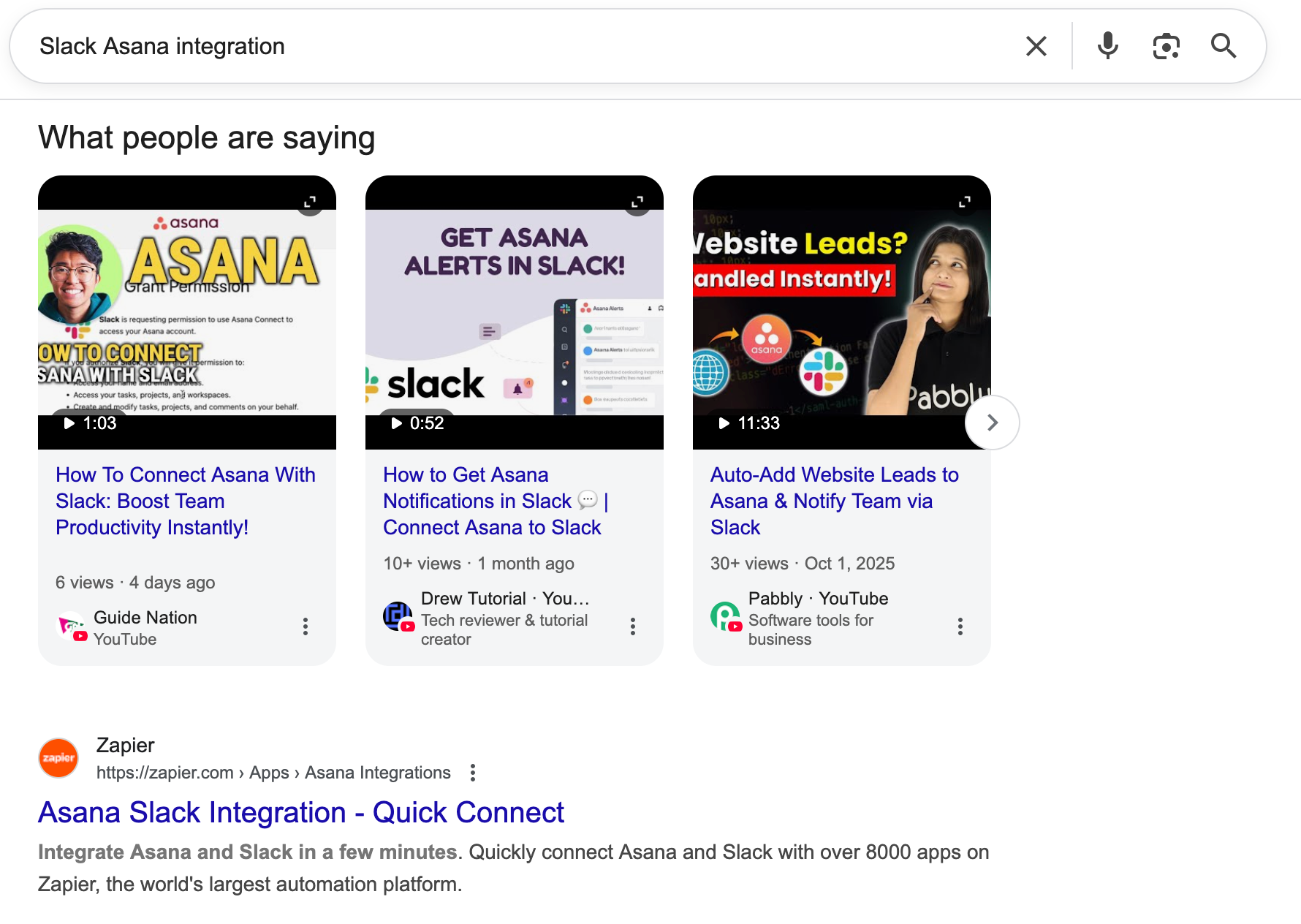
Each page explained what the connection accomplishes, how it functions, and where it fits into common work patterns. This structure allowed Zapier to capture long-tail intent at scale while still providing material that led naturally into product activation. The alignment between search behavior and product value made the strategy durable, repeatable, and difficult for competitors to imitate.
Growth for Notion accelerated when the company shifted from standard editorial content to interactive assets. Instead of producing essays or surface-level guides, the team built templates that addressed tasks buyers already searched for. Pages built around planning, organization, and documentation workflows helped the platform appear in queries tied to everyday operational needs.
These templates served two roles at once: ranking for practical queries and acting as functional starting points inside the product. The experience helped people understand the platform without requiring a prolonged explanation. This approach connected search demand directly to hands-on exploration, which supported account creation more effectively than conventional blog posts.
Ahrefs earned authority in organic search by creating content that mapped closely to the tasks marketers want to complete using an SEO tool. Their educational library focuses on how specific methods work, why they matter, and how users can analyze them within the platform. This approach turned complex SEO topics into accessible workflows.
Many of their highest-performing pages walk through steps that align with key product capabilities, such as evaluating backlinks or identifying keyword opportunities. The material remains instructional rather than promotional, which strengthens trust and keeps the content useful even as the product evolves. Their consistency helped establish the company as a reference point across the industry
Your strategy will only be effective if you vigilantly track key performance indicators. Teams need a focused set of measurements that reveal whether visibility is improving, whether the audience is strengthening, and whether traffic is moving buyers toward meaningful actions. Clear metrics like the ones below will help you understand how each part of the program contributes to overall SEO momentum.
Growth in visibility shows whether search engines understand the structure and purpose of your site. Tracking reach helps identify which areas gain traction and which topics need additional support. Broader visibility typically signals that search engines view your content as a dependable source within its category.
Your engagement metrics help determine whether visitors arrive with intent and whether the experience encourages further exploration. Teams often study patterns such as:
Evaluating these signals gives a clearer view of whether organic sessions bring the right people into the funnel.
The goal isn’t to chase every keyword but to watch the movement of terms tied to strategic themes. Teams usually focus on:
These trends help identify where the program is gaining strength and where additional refinement is needed.
Mapping conversions back to search helps determine whether visibility leads to action, not just traffic. Teams may evaluate assisted conversions, attribute value to high-intent landing pages, or study where visitors engage before speaking with sales. This perspective highlights how organic activity contributes to pipeline quality and buyer progression.
Studying performance at the cluster level helps determine which areas reinforce authority and which require additional material. Strong clusters often excel in:
These insights help refine the structure and depth of your content strategy.
Many tech teams invest heavily in content and optimization, yet continue to miss key elements that influence long-term performance. These gaps usually appear when execution moves faster than strategy or when the program leans too heavily on tactics that don’t match buyer behavior.
One frequent issue is publishing material that focuses on product features instead of the challenges buyers want addressed. This disconnect limits engagement and weakens the value of pages meant to introduce the company to new audiences.
Another pattern involves inconsistent attention to the technical foundation of the site. Teams often overlook details such as:
These problems compound as the site grows, making it harder for search engines to interpret relationships between topics. A third issue emerges when companies rely on surface-level keyword targeting without understanding intent. Misalignment usually appears in:
This leads to traffic that fails to influence pipeline quality. Tech brands also struggle when measurement focuses solely on session volume. Stronger programs evaluate whether organic activity pushes buyers toward meaningful actions rather than celebrating increases in raw traffic.
Search gives buyers a fast way to compare solutions, understand differences between vendors, and verify technical fit without involving a sales team. The material they find shapes their expectations, influences who makes the shortlist, and establishes which brands feel credible early in the process.
Intent determines what buyers expect at each stage of their research. Early queries center on understanding categories, mid-stage searches focus on how a product works, and late-stage terms reflect practical evaluation. Strategies that align content with this progression earn stronger visibility and higher-quality engagement.
Software sites often include complex feature sets, documentation hubs, and dynamic components. Technical stability ensures search engines can interpret this structure without friction. When the technical foundation is strong, your content performs more reliably, and buyers reach the information they need without delays.
Broad terms help buyers explore problems and solution types. Mid-stage keywords focus on capabilities and outcomes. Late-stage searches revolve around comparisons, requirements, and implementation. Matching content to these shifts creates a natural path from awareness to evaluation.
Buyers expect thorough explanations before considering a product. Depth across related themes signals expertise and makes the content ecosystem more useful. Search engines recognize this consistency and reward brands that cover a category with structure and nuance instead of isolated pages.
SEO for tech companies is moving toward a model that rewards depth, precision, and clear alignment with buyer expectations. Growth will come from programs built on consistency rather than one-off tactics. Teams that understand how their audience thinks, how their content answers meaningful questions, and how their site structure supports evaluation will see more momentum throughout 2026.
If your team needs a partner that understands how tech buyers search, how content should support evaluation, and how to build a program that grows consistently instead of sporadically, Segment can help. We work with software companies that want stronger visibility, better-qualified traffic, and a strategy shaped around how their audience makes decisions.
Ready to turn search into pipeline?
Get a free gap analysis showing exactly what's holding your rankings back and where the fastest wins are.


